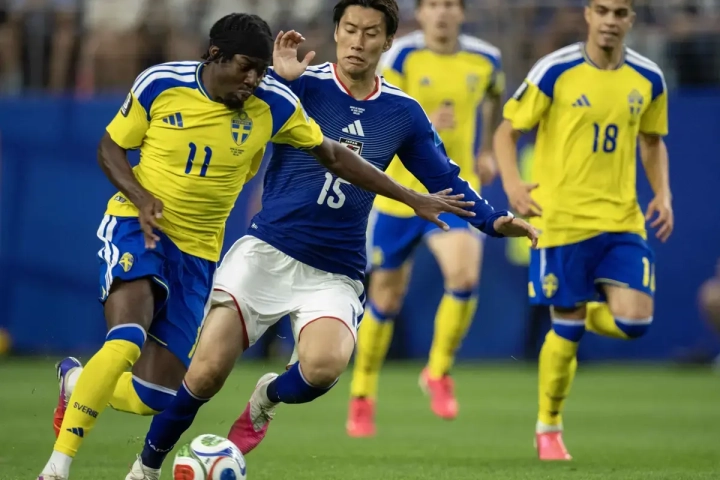
Japan and Sweden shared the spoils in a tense and entertaining 1-1 draw in their final Group F match at the 2026 FIFA World Cup, a result that reflected the balance of a contest packed with intensity, tactical discipline and moments of individual brilliance. With qualification implications hanging over every pass, tackle and shot, neither side was willing to give an inch in Dallas, and by the final whistle both teams had experienced moments of hope, frustration and relief.
The encounter arrived with significant pressure attached. Japan entered the evening unbeaten in the tournament after drawing 2-2 with the Netherlands and dismantling Tunisia 4-0, while Sweden knew they needed a positive result after following their impressive 5-1 victory over Tunisia with a damaging 5-1 defeat against the Dutch. The permutations were clear before kick-off. Japan knew a draw would likely be enough to secure their place in the knockout rounds, while Sweden were desperate to avoid an early flight home.
From the opening whistle, the match carried the unmistakable feeling of a knockout game rather than a group-stage fixture. Both teams began cautiously, aware that one mistake could prove costly. Japan looked comfortable in possession and attempted to dictate the rhythm through quick passing combinations in midfield, while Sweden focused on staying compact and using the pace and physicality of their attacking players to threaten on transitions.
The early exchanges were tight and often played in congested areas of the pitch. Japan’s technical quality was evident as they patiently worked openings, but Sweden remained disciplined. Every challenge was contested fiercely, and neither goalkeeper was seriously tested during the opening quarter of an hour.
As the first half developed, Japan gradually began to enjoy longer spells of possession. Their movement between the lines caused occasional problems for Sweden, particularly when Daichi Kamada and Ritsu Doan drifted into pockets of space. Sweden, however, always looked dangerous when they broke forward. Alexander Isak and Viktor Gyökeres offered an outlet and ensured Japan’s defenders could not become complacent.
A significant moment arrived before half-time when Sweden suffered an injury setback. Defender Isak Hien was forced off after appearing to strain a muscle while dealing with a dangerous Japanese attack. The enforced change disrupted Sweden’s defensive structure and required tactical adjustments from Graham Potter on the touchline. Japan were also forced into a defensive alteration before the break after losing Ko Itakura, ensuring both managers had to rethink aspects of their game plans earlier than anticipated.
Despite those interruptions, neither side could find the breakthrough before the interval. Japan arguably created the better opportunities, with Keito Nakamura drawing an important save from Swedish goalkeeper Jacob Widell Zetterström, but the opening 45 minutes ended scoreless. The deadlock reflected a match where caution often outweighed risk, though there were signs that the game could open up dramatically after the restart.
The second half immediately carried a different energy. Japan emerged with greater urgency, increasing the tempo of their attacks and committing more players forward. Their confidence grew with every passing minute, and Sweden found themselves spending longer periods without possession.
That pressure eventually told in the 56th minute. Japan produced the type of flowing move that has become a hallmark of their recent development as a football nation. The attack began with intelligent build-up play from deep areas before the ball was worked swiftly through midfield. Precise passing and clever movement opened a gap in the Swedish defensive line, allowing Daizen Maeda to apply the finishing touch. The forward kept his composure and guided the ball beyond the goalkeeper to send the Japanese supporters into celebration.
The goal was a reward for Japan’s patience and technical quality. It also seemed to place them firmly in control of the contest. Their players celebrated enthusiastically, but there was little sense of complacency. They understood Sweden still possessed the attacking weapons capable of changing the outcome in an instant.
Remarkably, the response arrived almost immediately.
Only five minutes after falling behind, Sweden produced a moment of individual brilliance that transformed the mood of the match. Anthony Elanga collected possession in a dangerous area and drove towards the edge of the penalty area. With defenders retreating and attempting to close the angle, the winger shifted the ball onto his left foot before unleashing a superb curling effort that flew beyond Zion Suzuki and nestled inside the far corner. It was a goal of exceptional quality and one worthy of the occasion.
The equaliser injected fresh life into Sweden and reignited the contest. Suddenly the momentum swung away from Japan. Swedish players appeared energised by the breakthrough, while their supporters sensed a route back into qualification contention.
For the next fifteen minutes, the match became increasingly stretched. Japan continued to move the ball sharply through midfield, but Sweden began to attack with greater conviction. Every turnover of possession created the possibility of danger. The tactical discipline that had characterised much of the first half gave way to a more open and unpredictable contest.
Managers Hajime Moriyasu and Graham Potter both turned to their benches in search of fresh energy. Substitutions arrived at regular intervals as the physical demands of the occasion became evident. New legs were introduced to maintain intensity and exploit any signs of fatigue.
Japan sought to regain control through possession, slowing the pace whenever possible and forcing Sweden to chase. Their ability to keep the ball under pressure remains one of the strongest elements of Moriyasu’s side, and there were periods where they succeeded in frustrating their opponents.
Yet Sweden refused to disappear. Encouraged by Elanga’s goal, they continued pushing forward. Isak remained a threat whenever he found space, while Gyökeres worked tirelessly to unsettle defenders. Several dangerous deliveries into the penalty area forced Japan’s back line into decisive clearances.
As the final twenty minutes approached, the tension inside the stadium became increasingly apparent. Every challenge was greeted with loud reactions. Every set-piece felt potentially decisive. The players knew qualification and tournament momentum could hinge on a single moment.
Japan nearly restored their lead through a rapid counterattack that showcased their speed in transition. A sweeping move carried the ball from defence to attack within seconds, but the final effort lacked the precision required to beat the goalkeeper. Moments later Sweden threatened at the other end, creating uncertainty inside the Japanese penalty area before the defence managed to scramble the danger away.
The final stages were played at a relentless pace. Sweden arguably enjoyed the stronger attacking spell, applying sustained pressure and forcing Japan to defend deeper than they would have preferred. However, despite their determination, the decisive opportunity never arrived. Japan’s organisation and concentration held firm when it mattered most.
As stoppage time began, both teams faced a delicate balance. One point carried significant value, yet the temptation to chase a winner remained. Neither side completely abandoned caution. The fear of conceding late ultimately outweighed the desire to gamble recklessly.
When the referee eventually signalled full-time, players from both teams dropped to the turf, exhausted after ninety minutes of high-intensity football. The 1-1 scoreline felt a fair reflection of a contest where momentum shifted repeatedly and neither side could claim complete dominance.
For Japan, the result represented another step forward in a tournament where they have consistently impressed. Remaining unbeaten through three group matches highlighted their growing maturity on the international stage. They demonstrated composure under pressure, tactical flexibility and the ability to respond positively when momentum swung against them.
Moriyasu was understandably pleased with many aspects of the performance. While disappointment at surrendering the lead was natural, the Japan manager focused on his team’s resilience and collective effort. He praised the quality of the move that produced Maeda’s goal and highlighted the discipline shown throughout the competition. Moriyasu acknowledged that Sweden’s equaliser was a moment of outstanding individual quality rather than a consequence of poor defending. He stressed that maintaining concentration and continuing to evolve would be crucial as the tournament entered the knockout phase.
The Japanese coach also paid tribute to his players’ mentality. He noted that the squad had approached every match with confidence but without arrogance. Their ability to adapt to different opponents had been one of the key reasons behind their successful group-stage campaign. Moriyasu expressed confidence that the experience gained in difficult matches such as this one would prove invaluable moving forward.
Potter’s post-match reflections carried a mixture of pride and frustration. The Sweden manager was pleased with the character his side displayed after falling behind. Having suffered a heavy defeat in their previous outing, there could easily have been a psychological hangover. Instead, Sweden responded positively when adversity struck. Potter singled out Elanga’s contribution as a game-changing moment and praised the winger’s courage to take responsibility during a pressure-filled situation.
At the same time, the Swedish manager recognised there were periods where his team struggled to establish control. He admitted Japan’s technical quality had created problems, particularly in midfield, but emphasised that Sweden never stopped believing they could influence the result. Potter felt the draw demonstrated the resilience and unity within his squad.
Individual performances also provided several talking points. Maeda’s goal and relentless work rate once again underlined his importance to Japan’s attacking structure. Kamada and Doan were influential in creating opportunities, while goalkeeper Zion Suzuki delivered another composed display despite having little chance of preventing Elanga’s stunning finish.
For Sweden, Elanga emerged as the standout figure. Introduced into the starting line-up by Potter, he rewarded that decision with a memorable goal and a dynamic attacking display. Isak worked tirelessly throughout the evening, while Victor Lindelöf’s leadership became increasingly important following the defensive reshuffle caused by injury.
The broader significance of the result extended beyond the ninety minutes themselves. Group F had been one of the most competitive sections in the tournament, featuring strong performances from multiple nations. Japan’s unbeaten campaign highlighted their consistency, while Sweden’s ability to recover from a heavy defeat and remain competitive reflected the unpredictable nature of World Cup football.
Supporters from both countries left the stadium having witnessed a contest rich in drama and quality. While there were only two goals, the match never lacked tension. Every phase carried importance, and the balance between tactical discipline and attacking ambition created an absorbing spectacle.
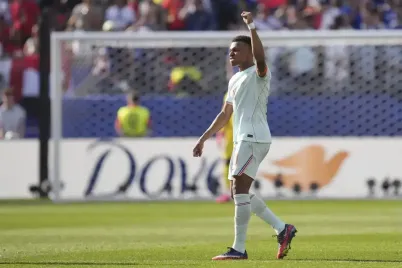
Ultimately, the image most likely to endure is Elanga wheeling away in celebration after curling his equaliser into the far corner. It was a moment that captured the essence of World Cup football: individual brilliance emerging under immense pressure. Yet Japan’s contribution should not be overlooked. Their composed and intelligent display reinforced the growing belief that they can trouble any opponent in the competition.
The final score may have been 1-1, but the match offered far more than the numbers suggest. It was a contest defined by resilience, tactical intelligence, quality finishing and the relentless pursuit of progress. For Japan, it marked another positive chapter in an impressive tournament journey. For Sweden, it demonstrated the character required to survive at the highest level.
In a World Cup often remembered for dramatic victories and heartbreaking defeats, this draw served as a reminder that football’s most compelling stories are sometimes found in matches where neither side wins, yet both leave having shown exactly why they belong on the sport’s biggest stage. The evening in Dallas delivered tension, excitement and moments of genuine quality, ensuring Japan and Sweden produced one of the most engaging group-stage encounters of the tournament so far.