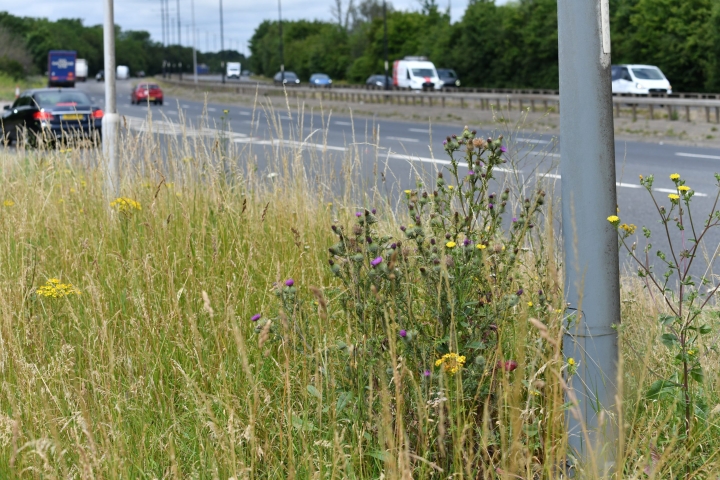
- TfL has doubled the amount of wildflower verges to 520,000m² in just two years – equivalent to around 72 football pitches
- Butterfly sightings across sites increased by more than 50 per cent last year
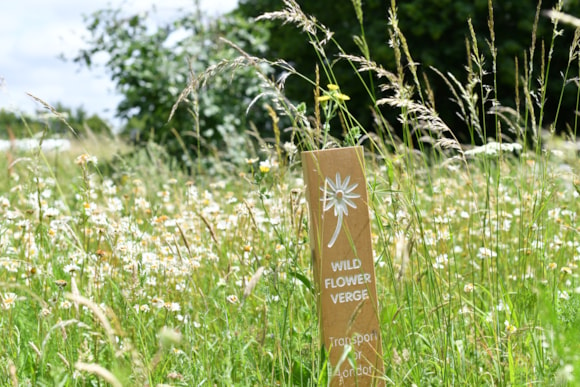
Transport for London (TfL) has doubled the amount of wildflower verges on its estate to 520,000m² in just two years, helping to boost biodiversity and support wildlife across the capital.
The expansion, from 260,000m² in 2024, comes as London marks Climate Action Week and forms part of wider efforts to make the city greener and more resilient to climate change. Improving the area and quality of wildflower verges across London is an important part of making the capital more sustainable.
New wildflower verges have been introduced at a number of sites in the past year, including along the A10 in Enfield (5,000m²), the A2 in Bexley (2,000m²) and the A217 in Sutton (1,700m²). TfL has also sown wildflower seeds, donated by Butterfly Conservation, near Rotherhithe roundabout on islands that previously had more formally planted areas. These new locations complement existing wildflower verges, some of which are publicly accessible sites that allow people to enjoy green spaces, for example at Redbridge Roundabout via the pedestrian underpass and alongside a shared foot and cycle path by the A40 in Hillingdon.
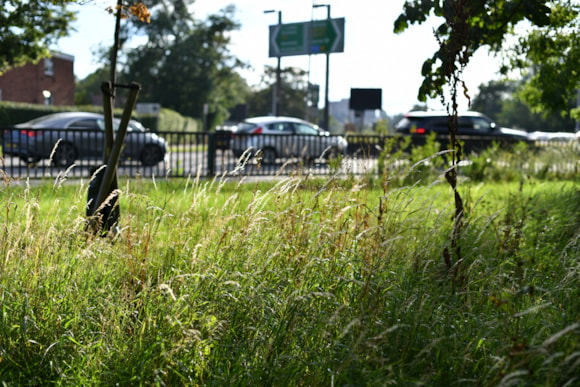
TfL’s approach to wildflower verges has blossomed since an initial trial on two sites took place in 2019, one alongside the A40 in Hillingdon and one alongside the A406 at Redbridge. By reducing mowing from up to eight times a year to twice annually, and removing grass cuttings, verges are better able to support wildflowers and create richer habitats for wildlife.
This approach creates a supply of nectar, food, and shelter for wildlife, including bees, butterflies, birds and small mammals. Wildflower verges bring additional benefits beyond London’s biodiversity as well, including the transfer of carbon dioxide from the air into the soil and reduced carbon emissions from less frequent mowing.
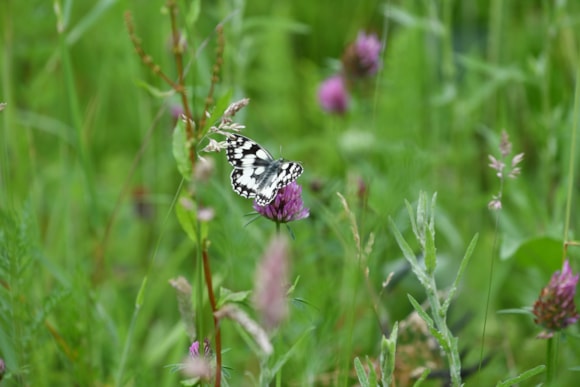
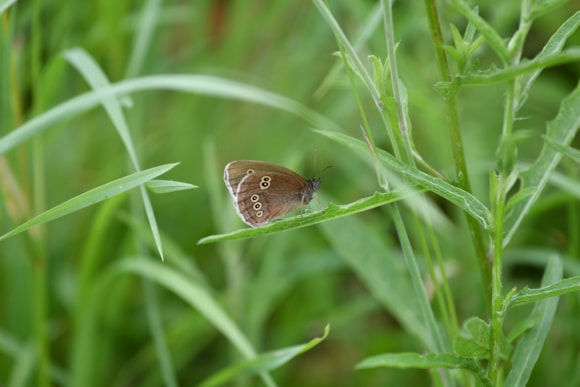
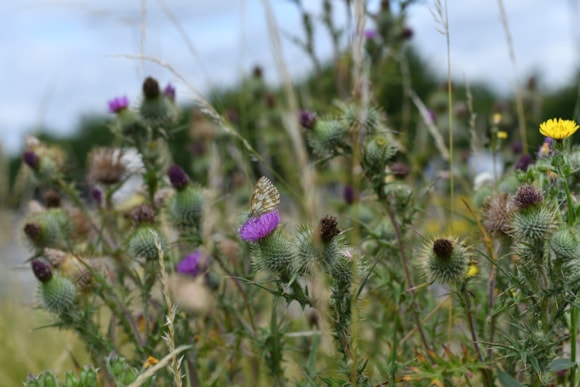
Since 2023, TfL has worked in partnership with the charity Butterfly Conservation to survey the number and types of butterflies appearing across the wildflower verges. In 2025, 118 surveys across 34 sites recorded around 720 butterflies from 22 species, as well as around 100 day-flying moths. Average butterfly sightings increased by more than fifty per cent compared with the previous year.
Deputy Mayor for Environment and Energy, Mete Coban, MBE, said: “The expansion of wildflower verges across London shows how simple changes can have a big impact, helping nature thrive. Alongside these verges we have planted more than 640,000 trees, including two major new woodlands, and created or restored over 2,000 football pitches worth of green space.
“These achievements reflect the Mayor’s commitment to greener neighbourhoods across the capital, investing in practical solutions that support communities, tackle climate change and help build a better, greener London for everyone.”
Lilli Matson, Chief Safety, Health and Environment Officer at TfL, said: “We’ve doubled wildflower verges across London in just two years – and we’re already seeing wildlife return. Our approach has really blossomed over the years and it’s really encouraging to see the number of butterflies begin to pick up again.
“Ultimately, taking action to improve biodiversity and reduce carbon emissions, such as through our approach to wildflower verges, isn’t just about improving the capital for wildlife, but about improving it for everyone in the capital. Supporting and creating healthy green infrastructure allows us to shape our city, so that it becomes more resilient to the impacts of climate change and also a more pleasant, liveable place to spend time in.”
Malcolm Hull, Chair of the Herts & Middx Branch of Butterfly Conservation, said: “In 2024, numbers of butterflies were so low that Butterfly Conservation declared a Butterfly Emergency. We need to join forces to make a positive difference, which is why we are delighted to be working with TfL to improve biodiversity on road verges in London and support butterflies in the capital. Actions such as reduced mowing, using cut and collect techniques, the introduction of wildflower seeds and reduced pesticide use all help improve the numbers of butterflies and moths.
“During the three years of surveys on these plots our volunteer recorders have spotted more than 20 different butterfly species and multiple day-flying moths. These include six London Priority Species identified in the London Environment Strategy: the Small Copper, Small Heath, Brown Hairstreak, Large Skipper, Essex Skipper and Small Skipper.”
Andy Jennings-Giles, Senior Ecological Advisor at Plantlife, said: “Wildflower verges act as vital green corridors through our cities, providing pollen, nectar and shelter for insects. Simply by allowing these spaces to flourish, tens of millions more flowers can bloom across urban areas like London. In place of bare ground, wildflowers and fungi bring colour, movement and scent back into everyday spaces. Native grasses, often overlooked, play a crucial role too, supporting the caterpillars of butterflies like Skippers, Browns and Small Heaths. These verges are not just beautiful – they are essential infrastructure, helping to cool our streets, reduce flooding, store carbon and of course lift our spirits.”
The introduction of new wildflower verges forms a key part of TfL’s commitment to enhance biodiversity across its estate. TfL is also working with City Hall to help prevent road runoff pollution from entering waterways and help reduce flood risk, not least by reducing polluting vehicles on roads and encouraging greener, more sustainable journeys by walking, cycling or using public transport. This is alongside other measures such as the introduction of new Sustainable Drainage Systems (SuDS) across the capital, which reduce the amount and/or slow the flow of rainwater reaching London’s drainage networks and waterways. Working with partners, TfL has delivered almost 50,000m² of SuDS, including almost 18,000m² in the last financial year alone. It aims to deliver another 10,000m² within the next year, which includes the SuDS that are being introduced as part of the A23 Streatham Hill scheme, which will make it easier, safer and more pleasant for people to walk and cycle in the area. There are many different types of SuDS that can be installed, including green infrastructure, such as rain gardens, roofs planted with vegetation, and wetlands.