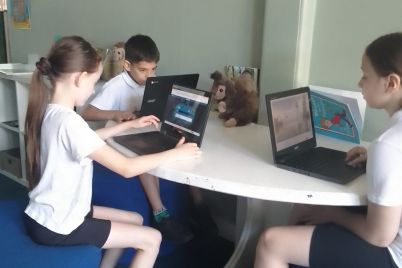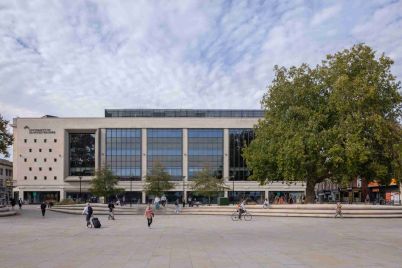

A £9.5 million investment is helping create quieter, calmer and more inclusive learning environments for children and young people with special educational needs and disabilities (SEND) across Islington.
The council’s SEND Capital Investment Programme is funding improvements at 39 schools across the borough, supporting children with a range of needs to learn, play and thrive in mainstream education.
One of the first projects to be completed has delivered acoustic improvements in 10 schools, helping tackle noise and sensory overload in busy spaces such as dining halls and classrooms.
At Robert Blair School, acoustic treatment has already transformed the dining hall experience for pupils.
Executive Headteacher Lisa Horton said: “This has been actioned over the summer holiday period and made a really positive difference to the experience and inclusion of our pupils; reducing sensory and noise overload and providing a more positive, less institutional lunch experience. Thank you!”
The improvements form part of Islington’s wider ambition to make inclusion a lived reality in schools, recognising that physical environments can play a crucial role in helping children feel safe, regulated and ready to learn.
Alongside acoustic upgrades, schools are creating sensory rooms, quiet spaces, movement rooms, sensory gardens and improved access to outdoor learning areas. Some projects include wayfinding improvements to help pupils navigate school environments confidently.
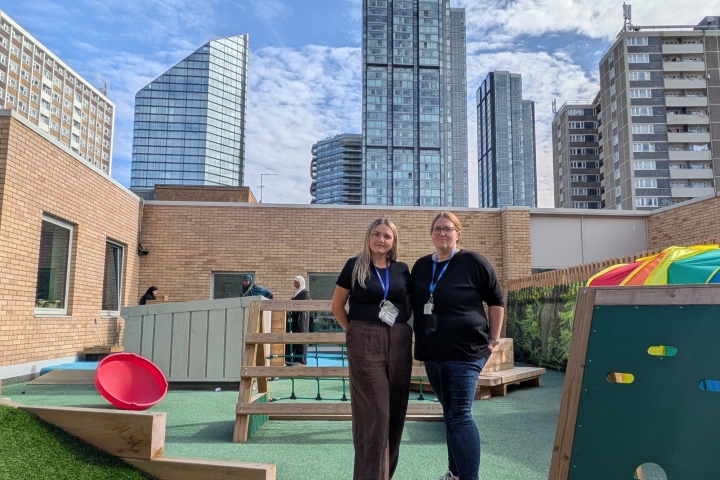
At Moreland Primary School, new sensory breakout spaces and play areas have already had a positive impact on pupils. Headteacher Catherine Lawrence said the improvements have made “a huge difference” for children who need additional support and flexibility: “Every day looks different for these pupils, and we need to be able to adapt. The proof is in the pudding, the children love the new space!”
They’ve already had a positive impact on attendance rates. Ruqia, a parent at Moreland, said: “Now the playground has more sensory stuff and is segregated, it’s started giving my son Ali the space to use his energy. It’s nice and safe, and it’s got him back in school, if he doesn’t want to go I show him a picture of the terrace and then he wants to come. I just have to say “terrace” and he’s happy to come into school!”
The programme is funded through the Department for Education’s High Needs Provision Capital Allocation, with additional community infrastructure and developer funding supporting some projects.
Councillor Sheila Chapman, Executive Member for Children, Young People and Families, said: “Every child deserves to learn in an environment where they feel comfortable, supported and able to succeed. This investment is helping schools across Islington create spaces that reduce barriers to learning and support children and young people with SEND to thrive alongside their peers.
“We’re not just improving school buildings; we’re helping create more inclusive school communities where every child has the opportunity to reach their full potential.”
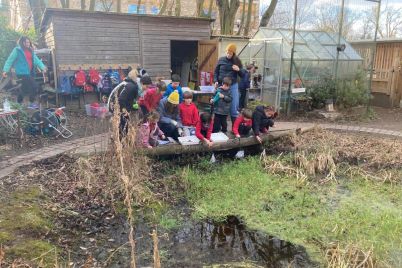
The programme also places children at the heart of the design process. At St John’s Upper Holloway CE Primary School, pupils recently worked with architects to help shape plans for a new sensory garden, sharing ideas for calming spaces, wildlife habitats, water features, planting and areas for quiet reflection.