Muscular Dystrophy UK has announced that it is investing £1.5 million into 10 new pioneering research projects across England, Scotland and Wales, including at Nottingham Trent University.
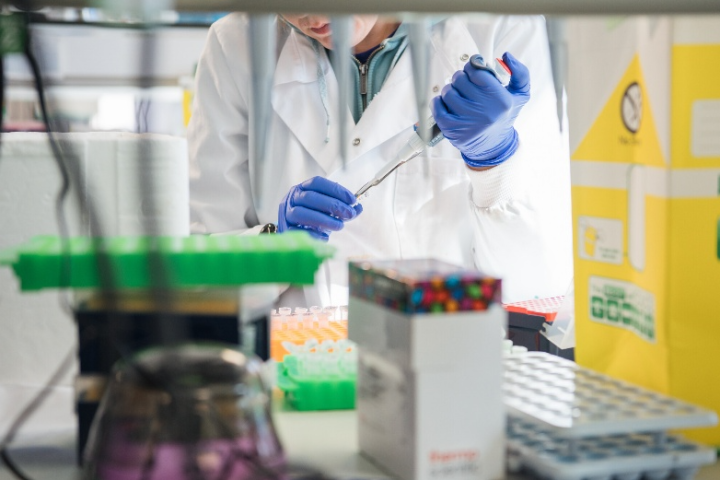
The leading charity for more than 110,000 children and adults in the UK living with one of over 60 muscle wasting conditions is funding Dr. Marion Hogg. The three-year project will be testing a new treatment approach for spinal muscular atrophy with respiratory distress (SMARD), based on restoring levels of a natural chemical that helps keep nerve cells healthy. This could lead to the development of new treatments for SMARD.
This latest investment brings Muscular Dystrophy UK’s total current research commitment to over £10 million. Across more than 25 conditions, it’s now supporting 56 active projects that aim to deepen understanding, explore new treatments and make a meaningful difference to the lives of those living with muscle wasting and weakening conditions by improving everyday quality of life.

Credit: Muscular Dystrophy UK / Jo Ritchie
Dr. Marion Hogg, Senior Lecturer at School of Science and Technology, at Nottingham Trent University said: “I am delighted to receive this award from Muscular Dystrophy UK to investigate new therapeutics for a rare form of neuromuscular disease. It is important that Muscular Dystrophy UK fund research into rare neuromuscular disorders as we may be able to identify biological pathways that are affected in multiple diseases, and this could lead to the development of treatments that are beneficial for a wide range of people with neuromuscular diseases.”
Muscular Dystrophy UK’s portfolio of research spans the UK, with current research projects underway in all four nations, helping to reach more people and communities. This year, Muscular Dystrophy UK has awarded new funding to researchers in Cardiff, Glasgow, London, Newcastle.
Dr Kate Adcock, Director of Research and Innovation at Muscular Dystrophy UK, said: “A key ambition of our ten-year strategy is to broaden our research portfolio and accelerate the development of new treatments.
“We’re delighted to continue our investment into funding research with the potential to transform the lives of those affected by neuromuscular conditions at Nottingham Trent University.
“This research will test a completely new treatment approach based on restoring a natural molecule that helps keep nerve cells healthy. If it works, it could lead to the development of new treatments for SMARD and may also improve our understanding of other conditions that damage nerve cells. Ultimately, this research aims to improve outcomes and offer new hope for children and families affected by these rare conditions.”