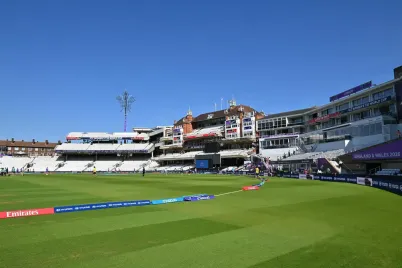
Arsenal maintained their perfect start to the Champions League league phase with a 3–0 victory over Lille at the Emirates Stadium on Tuesday night, transforming a frustrating contest into a convincing success with three goals in seven second-half minutes. Jurriën Timber provided the breakthrough before Eberechi Eze and substitute Bukayo Saka completed the scoring, giving Mikel Arteta’s side six points from their opening two European fixtures.
The final margin reflected the home side’s superiority, although it concealed how long they had been required to work for their reward. Lille remained organised and competitive for more than an hour, protecting their penalty area and forcing Arsenal to search patiently for openings. Once that resistance was broken, however, the visitors struggled to recover their defensive shape against an attack suddenly operating with greater speed, precision and confidence.
There was an emotional backdrop to the evening following the announcement of the death of Arsenal’s life president, Ken Friar, at the age of 92. His extraordinary association with the club, stretching across more than seven decades, made this a night of remembrance as well as European competition. The players wore black armbands, and a victory at the stadium he had helped the club move into carried particular significance.
Arteta approached the fixture with a reshuffled starting team, making five changes from the side that had beaten Leeds United at the weekend. Timber, Bruno Guimarães, Mikel Merino, Eze and Viktor Gyökeres came into the line-up, while Saka, Martin Ødegaard and Kai Havertz began on the bench. It was a selection that offered opportunities to several players while leaving the manager with considerable attacking quality to introduce later.
The defensive unit included Timber and Myles Lewis-Skelly on either side of Ezri Konsa and Gabriel Magalhães, with David Raya behind them. Declan Rice and Guimarães provided the midfield foundation, while Merino operated behind Gyökeres. Eze and Noni Madueke offered different threats from the flanks, but Arsenal initially found it difficult to turn those individual qualities into a consistent attacking rhythm.
An early opportunity nevertheless demonstrated how the hosts could disturb Lille’s structure. Timber advanced into space and delivered a cutback for Guimarães, who failed to direct his close-range effort on target. It was an inviting chance, and its significance grew as the half progressed without a breakthrough. Against opponents determined to defend compactly, an early goal would have forced a very different contest.
Another opening followed when Timber supplied Merino, but the midfielder’s header was directed at goalkeeper Berke Özer. Those moments showed that Arsenal were finding routes into the penalty area, even if their finishing lacked the accuracy required. Lille were not keeping every attack at a comfortable distance; they were surviving the dangerous ones through a combination of defensive organisation, goalkeeping and missed opportunities.
At the other end, Ayase Ueda briefly put the ball in the net, only for the effort to be ruled out for offside. The incident offered a reminder that possession alone would not protect Arsenal if their concentration slipped. Although the visitors struggled to produce a sustained attacking threat, the possibility of a sudden break or loose passage of play remained while the score was level.
Lewis-Skelly became increasingly involved in attempts to prise the game open. His movement offered an additional outlet on the left, allowing Arsenal to attack beyond Lille’s midfield rather than continually circulating the ball in front of it. On one occasion, his low delivery was gathered by Özer with Merino waiting. On another, his combination with Guimarães created a shooting opportunity for Eze, whose effort was also stopped.
Özer’s contribution was particularly important shortly before the interval. A deflected Guimarães shot required a sharp reaction, and the goalkeeper then recovered quickly to prevent Gyökeres from benefiting from the loose ball. That sequence preserved Lille’s clean sheet at a point when conceding would have undermined much of their first-half work. Arsenal went into the dressing room with chances to reflect on, but no lead to show for them.
The opening half illustrated the difference between controlling territory and controlling the outcome. Arsenal had reached promising positions, yet too many attacks ended without the decisive pass or finish. Lille could take encouragement from that, but their approach also demanded concentration on every movement around the box. The longer they remained under pressure, the more important their ability to retain possession and relieve it would become.
Neither manager made a substitution at half-time, although Arteta later explained that Arsenal adjusted certain positions during the interval. The hosts began to establish more sustained pressure after the restart, with Lille increasingly finding it difficult to move the game away from their own defensive third. There was still no immediate breakthrough, but the contest was becoming harder for the visitors to manage.
Guimarães appealed for a penalty after going down inside the area, but the referee allowed play to continue and no spot-kick followed. Arsenal had to keep searching through open play, and Arteta prepared a significant intervention from the bench. Saka, Ødegaard and Havertz were readied together, offering a change in the combinations and movement available across the attacking line.
Before they could enter, Timber produced the game’s outstanding individual moment. Receiving Madueke’s pass inside the penalty area with his back towards goal, the defender used an excellent first touch to turn away from Benjamin André and create room to finish. From a difficult angle, he lifted the ball over Özer, giving Arsenal the lead in the 64th minute.
It was a goal that rewarded both his willingness to advance and his composure in a crowded space. The initial reception was as important as the finish: without the touch that escaped his marker, there would have been little room to attempt anything. Timber converted an apparently restricted position into the clearest possible advantage, providing the piece of invention Arsenal had needed.
Arteta proceeded with the triple substitution despite the breakthrough. Saka replaced Madueke, Ødegaard took over from Merino, and Havertz came on for Gyökeres. Rather than settling into the protection of a narrow lead, Arsenal immediately gained the players who would help them extend it. The timing proved decisive, with Lille forced to adjust to fresh attacking relationships just as they were absorbing the disappointment of conceding.
The second goal arrived in the 67th minute. Ødegaard helped recover possession, Guimarães released Saka on the right, and the winger delivered a first-time ball for Eze. Meeting it with his left foot, Eze sent his finish beyond Özer, with a slight deflection helping it on its way. In three minutes, a stubbornly balanced scoreline had become a substantial Arsenal advantage.
The speed of the move offered a clear explanation for the change in the game. Earlier attacks had often given Lille time to organise around the ball. This time, the delivery arrived quickly enough for Eze to finish before the visitors could fully reset. Saka’s immediate involvement also underlined how effectively a substitute can influence a match through one well-judged action, without needing a prolonged period to settle.
Eze nearly added another soon afterwards, but Özer denied his attempt to lift the ball over him. That save briefly prevented further damage, though Lille were now struggling to contain the movement around their penalty area. Arsenal’s attacking players had more confidence in their decisions, and the visitors were being asked to defend successive situations without the recovery time they had enjoyed before the opener.
The third goal followed in the 71st minute, bringing together all three of Arteta’s attacking substitutes. Ødegaard found Havertz, whose pass supplied Saka with the opportunity to finish. The England international guided the ball into the far corner, completing a seven-minute scoring sequence that removed any realistic doubt about the outcome.
For Saka, it was an exceptionally productive entrance: an assist followed by a goal within minutes of joining the match. For Arteta, the move offered visible evidence of the value of his bench. Ødegaard’s passing, Havertz’s awareness and Saka’s finishing combined in a single attack, turning the manager’s changes into a collective contribution rather than relying on one replacement to solve everything alone.
There was also a distinction worth preserving between the substitutes’ impact and the work that preceded it. Timber had scored before they arrived, and the starting side had created several opportunities while keeping Lille’s attack largely contained. The replacements accelerated a contest that was already beginning to move Arsenal’s way. Both parts of the performance mattered to the final result.
Afterwards, Arteta expressed considerable satisfaction with the quality of the goals. He particularly valued the timing of the movements and the connections between players, highlighting the involvement of several contributors across the scoring sequence. His assessment recognised that the second-half improvement went beyond finishing chances: Arsenal were executing their attacks more effectively and finding each other at the right moments.
The manager was less satisfied with aspects of the first half. He explained that his team had reached dangerous areas without showing sufficient technical precision to turn them into stronger threats or maintain their attacks. That allowed Lille some opportunities to transition. The positional adjustments at the interval, followed by improved execution, helped Arsenal attack the available spaces with greater purpose.
Arteta also explained that the substitutions reflected his reading of the match and the types of players needed in the spaces appearing. He credited both the starters and those introduced, a fair assessment of an evening in which patience and fresh quality combined. The result offered him encouragement, while the slow conversion of early chances left a clear area for further improvement.
Lille manager Davide Ancelotti took a different view of the margin. He felt the scoreline was severe on a team that had defended well for around an hour and worked hard to remain competitive. At the same time, he acknowledged that conceding three times in such a short spell was something his side needed to examine. Their earlier discipline could not compensate for the speed of the collapse.
Ancelotti identified Arsenal’s increased intensity and the quality available from the bench as important factors. He wanted his players to retain the positives from their defensive work rather than judge the entire performance through its most damaging minutes. His response combined disappointment with recognition of the challenge: Lille had followed much of their plan, but could not sustain it once the home side raised the level.
Captain Benjamin André was more critical of Lille’s contribution in possession. He felt there had been opportunities to play with greater courage and that the visitors had not offered enough going forward. Their failure to register a shot on target supported that concern. Defending effectively had kept them level, but without a stronger attacking outlet they had little protection against the consequences of conceding first.
Olivier Giroud’s late introduction provided a warmer moment for the visitors, with the former Arsenal striker receiving an appreciative reception on his return to the Emirates. By then, however, the competitive story had been settled. Arteta was able to introduce Ben White and later Max Dowman, giving the teenager minutes as Arsenal managed the closing stages and continued to seek openings.
Timber finished the evening as player of the match, an appropriate recognition of the contribution that changed its direction. His breakthrough gave Arsenal the freedom to express the attacking quality that followed, while the clean sheet completed a satisfying collective performance. Lille had made the hosts work, but once the decisive moment arrived, Arsenal converted control into a convincing victory through intelligent changes and ruthless execution.