
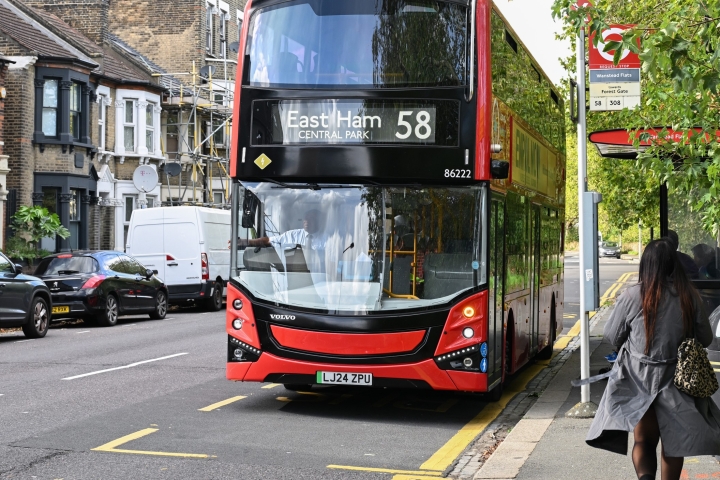
- Mayor of London, Sadiq Khan, extends TfL bus and tram fare freeze for another four months, alongside his brand new Weekend Hopper fare being introduced over school holidays, making travel cheaper and easier than ever this summer
- London’s buses are the most used form of public transport in the city, with more than five million bus journeys made on a typical day, playing a vital role in keeping the capital moving and communities connected
- Mayor and Transport for London (TfL) continue investing in the capital’s buses and trams to deliver greener vehicles, more efficient network, more reliable service and better customer experience
Bus and tram customers across London will see fares frozen for another four months until 1 November 2026, the Mayor and Transport for London (TfL) have announced.
The extension to the previous freeze – which covered the period from 1 March to 5 July 2026, and was an emergency cost-of-living measure to support Londoners on the lowest incomes – was the seventh freeze of bus and tram fares in the last ten years, with single fares being £1.75 since March 2023.
The extension of the Mayoral freeze means that Londoners will continue to be able to make unlimited journeys within one hour on London’s buses and trams for just £1.75, using the Mayor’s Hopper fare until 1 November 2026. Had bus fares increased in line with inflation since 2016, they would be £2.35 today – but previous Mayoral fare freezes over the last 10 years mean customers continue to pay 60p less per journey than they would have if the Mayor of London had not taken action.
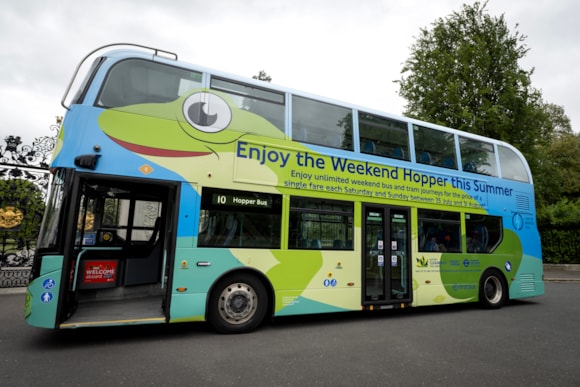
The extension will also coincide with the Mayor’s Weekend Hopper offer, which will mean anyone travelling on buses and trams on a Saturday or a Sunday during the summer holidays can pay one single fare for unlimited journeys across London that entire day, making it easier and cheaper for Londoners and visitors to make the most of everything the capital has to offer. The offer will run from 25 July to the end of August – including the Bank Holiday Monday, when millions travel across the capital to enjoy Notting Hill Carnival, which marks its 60th anniversary this year.
The freeze runs until 1 November 2026, after which a single adult bus and tram fare is expected to increase 10p to £1.85 – or just 5p for eligible concession card holders – while the price of the daily bus and tram cap would increase 30p to £5.55. This would be in line with increases to Tube fares made in March 2026, and make bus and tram fares just 35p higher than they were ten years ago. London’s bus fares remain some of the lowest in the UK, and this would only be the third time they’ve increased over the past decade, meaning they would still be 17 per cent lower than if they had risen in line with inflation throughout this period.
The Mayor of London, Sadiq Khan, said: “I’m pleased to extend the freeze on bus and tram fares for another four months, and will continue doing everything in my power to keep TfL services as affordable as possible, as I know the cost-of-living crisis is still hitting many Londoners hard. My Hopper fare has enabled millions of people to save money on bus and tram travel over the past decade, and now the exciting new Weekend Hopper will make it even cheaper and easier for Londoners and visitors to enjoy all that our great city has to offer this summer. I know that buses and trams are a real lifeline for many Londoners, and I’m determined to keep them the most accessible and affordable modes of transport in the capital as we continue building a greener, fairer, better London for everyone.”
Alex Williams, Chief Customer and Strategy Officer at TfL, said: “We are committed to ensuring that London’s public transport remains affordable and accessible for all, with revenue raised via fares reinvested into improving services across London. Alongside our wide range of concessions, extending the freeze on bus and tram fares to November – as well as the Mayor’s Weekend Hopper scheme, which runs from 25 July until 31 August – will help encourage more public transport use across London, boosting the economy and enabling people to make the most of the city with friends and family this summer.”
Buses and trams play a crucial role in reducing congestion, carrying up to 80 times as many passengers as a car while using significantly less road space by proportion. Buses are the most inclusive form of public transport in London, with 96 per cent of households within 400 metres of a bus stop and more than 90 per cent served by high-frequency routes [1]. Buses and trams also offer the most accessible and affordable way to travel sustainably in the capital, with fares among the lowest in the UK and all bus routes served by low-floor vehicles with a dedicated wheelchair space, providing a vital lifeline for vulnerable Londoners and lower income households.
The Mayor and TfL are working hard to enhance London’s bus network and ensure it provides the quick easy connections Londoners need between key locations like town centres, hospitals and stations. Since 2023, the game-changing Superloop network of express bus services has grown to cover 218 kilometres of routes, boosting ridership and transforming outer London travel. Plans are now in place to expand the network even further, with the SL12 launching later this year followed by SL14 and SL15 in 2027, ensuring buses continue to play a critical role in building a greener London with a sustainable transport network.
TfL continues to invest in improving its bus fleet to provide customers with a more comfortable and accessible travelling experience. Across London there are now more than 3,000 zero emission buses in operation, with that number set to double by the end of the decade. USB charging facilities, improved heating and cooling features, clearer priority seating and enhanced real-time customer information are now available across the network. TfL is also investing in bus stations across the network; for example, Canning Town bus station has undergone a range of works in recent years to repair the glass roof, upgrade CCTV, repair drainage and carry out carriageway resurfacing to reduce flooding. TfL is currently trialling a new design of bus shelter at 27 locations across London to improve customers’ bus journeys, and has recently upgraded all 12,000 bus shelters across London to have LED lighting [2].
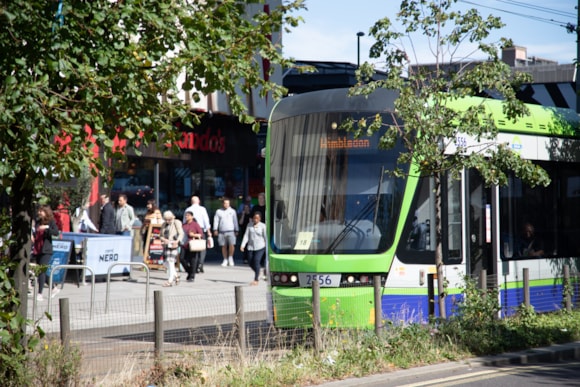
Across the tram network, work is being carried out to make tram stops more customer-friendly, along with track works regularly taking place to improve the journey for customers. TfL is also working to replace its ageing tram fleet to offer customers a more comfortable and reliable service – along with several improved features including a redesigned interior, air-conditioning, the latest audio and visual real-time travel information, and mobile device charging points. The new trams will also include a multi-use area, which is designated primarily for wheelchair users, and is also able to accommodate pushchairs and luggage when not in use.
TfL recently introduced more features to TfL Go – London’s Official Travel app, designed to provide mobile-friendly and accessible travel information to customers travelling across London. Search functionality on the bus stop map has been improved, making it easier to find bus stops across London. App users can also save and personalise locations for journey planning, making it easier to plan their journeys. Customers using an iPad or iPhone can also track their ‘next bus’ in real-time along its route, informing them about waiting times and supporting route planning. Android users can expect these features in the coming months and are advised to look out for further updates [3].
For more information visit www.tfl.gov.uk.